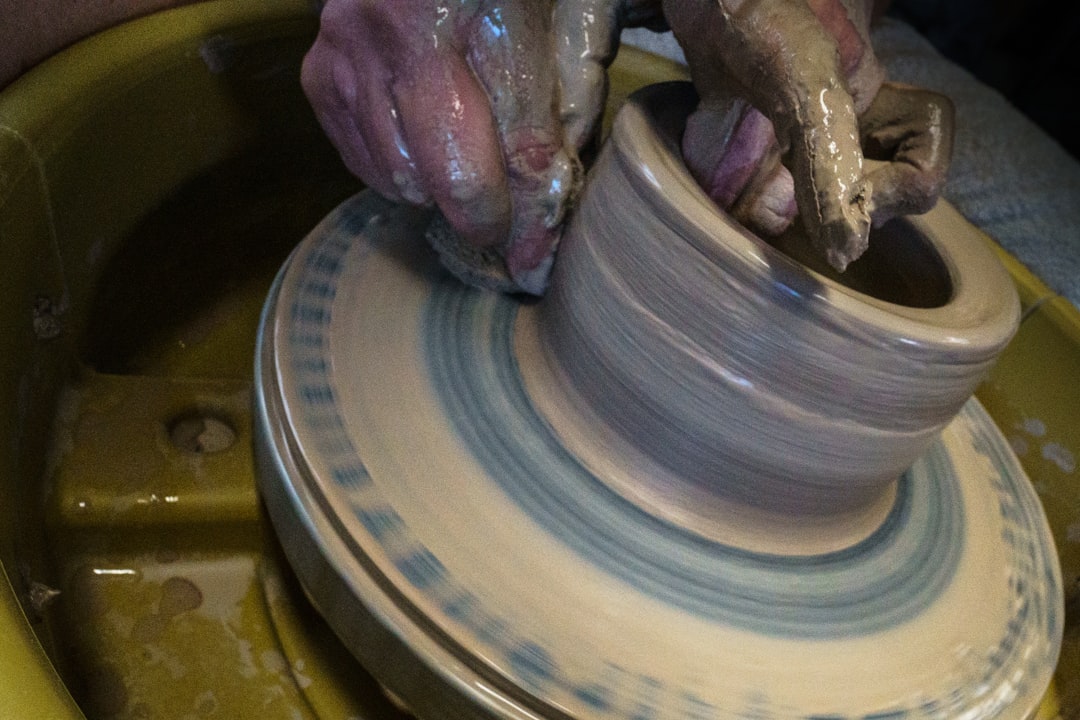
Our Story
From my hands in Jalan Besar to your home
The Maker's Journey
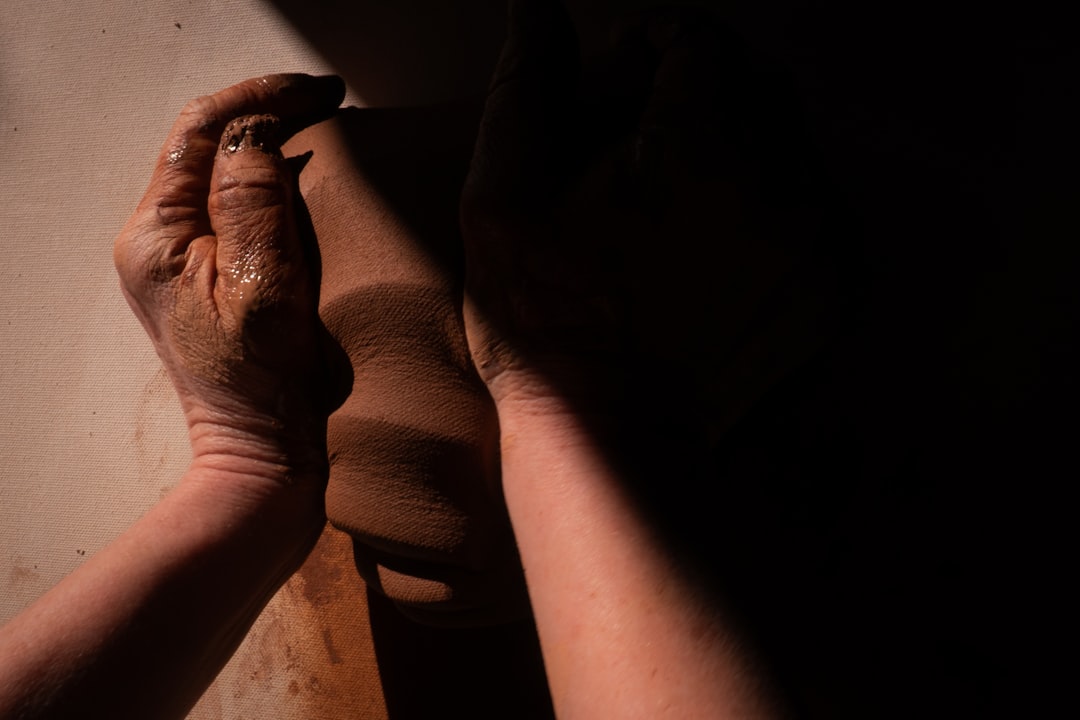
I didn't plan to become a ceramics maker. I was working in advertising, spending my days in front of screens, when I wandered into a community studio on a whim one rainy Saturday. That first touch of wet clay—cool, responsive, utterly unlike anything digital—stayed with me for weeks.
It took three years of evening classes and weekend workshops before I found the courage to rent a small space in Jalan Besar and commit to this full-time. The neighborhood chose me as much as I chose it: the mix of old shophouses and new creative studios, the hardware stores that still stock the tools I need, the quiet mornings before the cafes open.
I work in small batches because that's what my hands and my kiln can manage. Each piece takes two to three weeks from wedging to final firing. I leave the fingerprints and the slight asymmetries because they're evidence of the process—proof that a real person made this, not a machine in a distant factory.
— From the studio, with clay under my nails
The Process
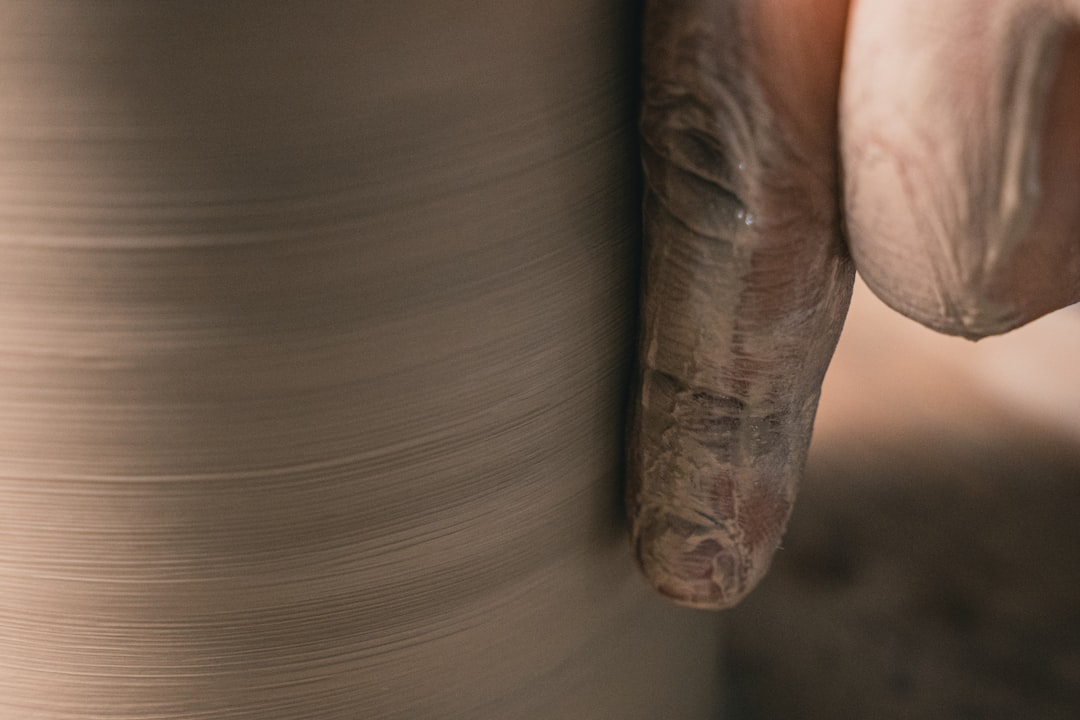
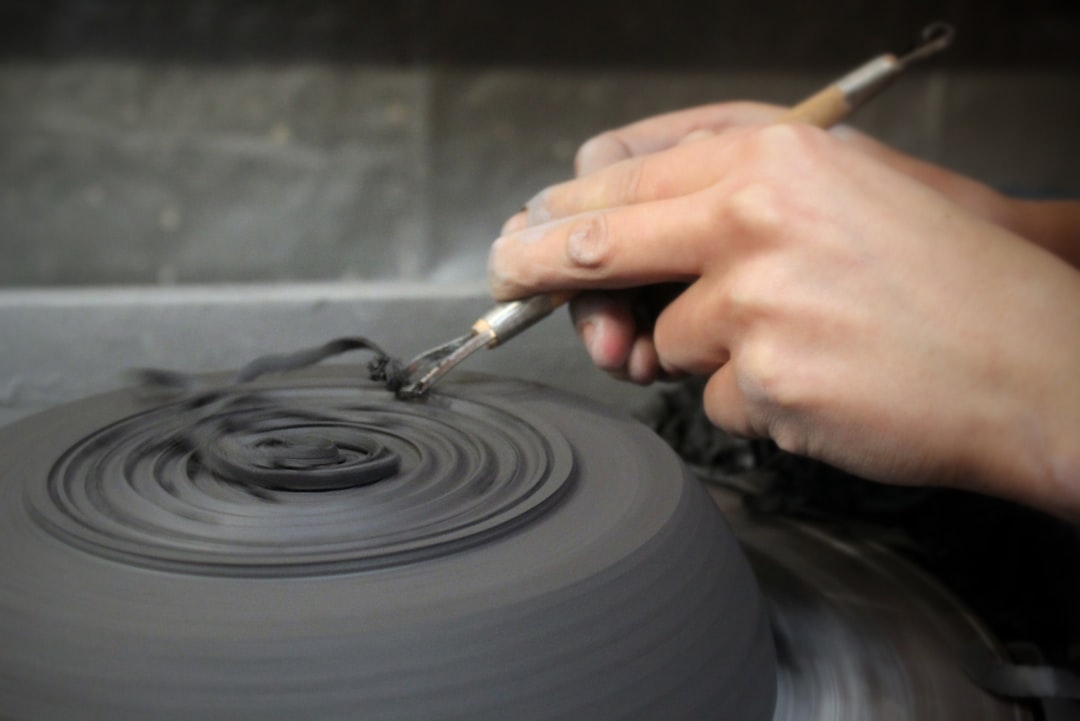
From raw clay to finished piece—each stage leaves its mark
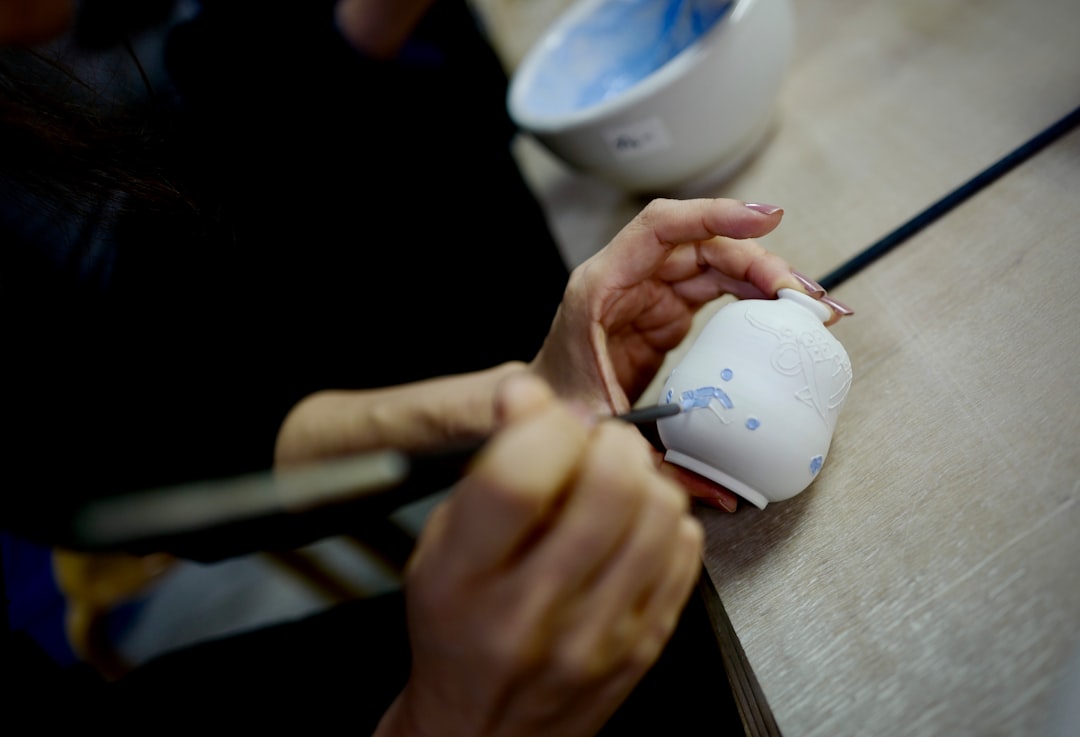
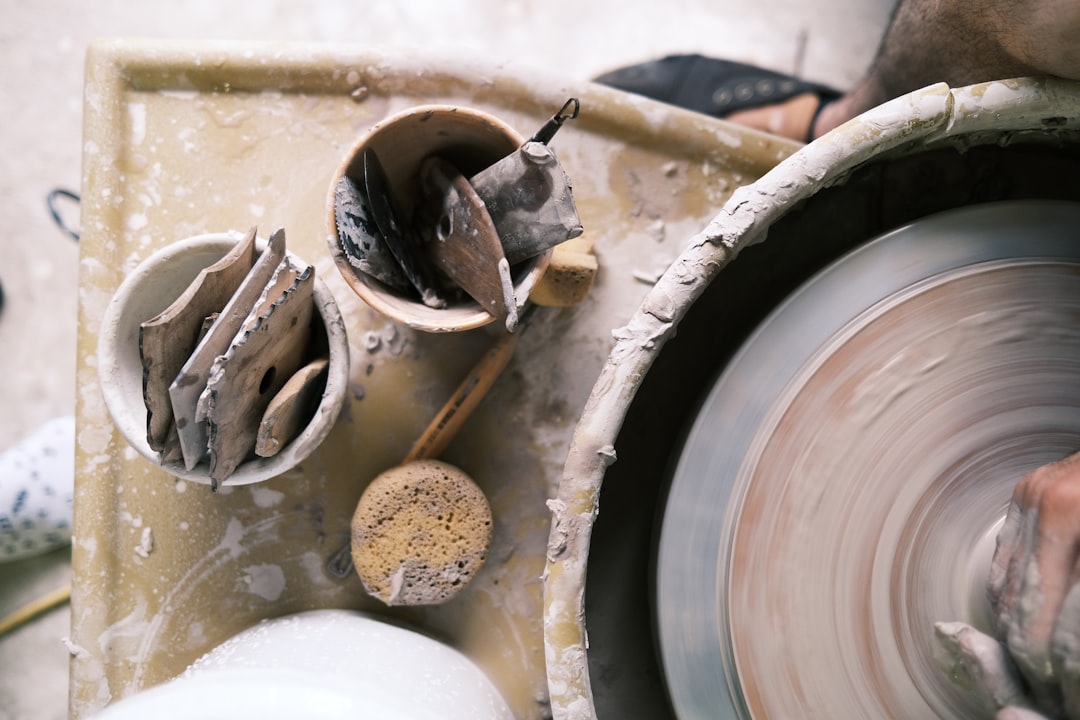
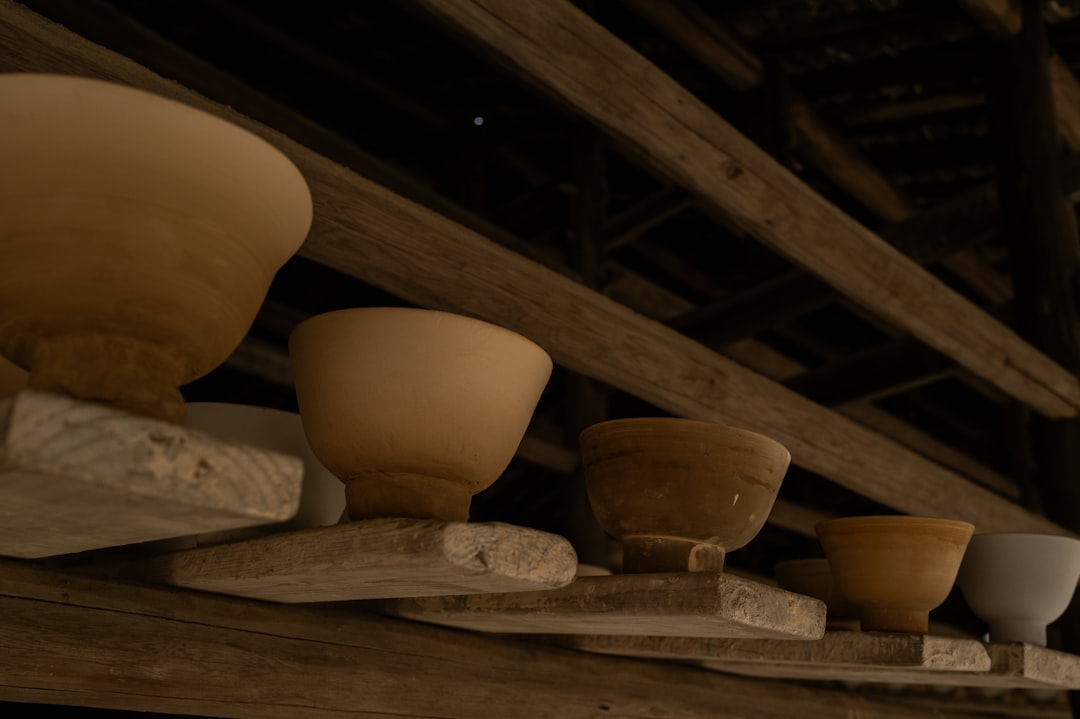
The Space: Jalan Besar
My studio sits on the second floor of a 1950s shophouse, above a hardware store that supplies the sanding sponges and cutting wires I use daily. The space is modest—just 400 square feet—but the light is extraordinary. Morning sun pours through the front windows from eight until noon, which is why I wedge my clay at 8 AM when the studio is still cool and the clay is most responsive.
Jalan Besar has changed dramatically in the decade I've been here, but it retains its working character. The coffee roasters and boutique hotels arrived, but so did more artists and makers. We borrow tools, share kiln space when someone has a small firing, and recommend each other to customers. There's a solidarity in making things with your hands in a neighborhood that still remembers what that means.
The urban texture influences my work more than I expected—the grid of shophouse windows, the patina of aged concrete, the terracotta roof tiles visible from my doorway. These find their way into the surfaces and forms I create.
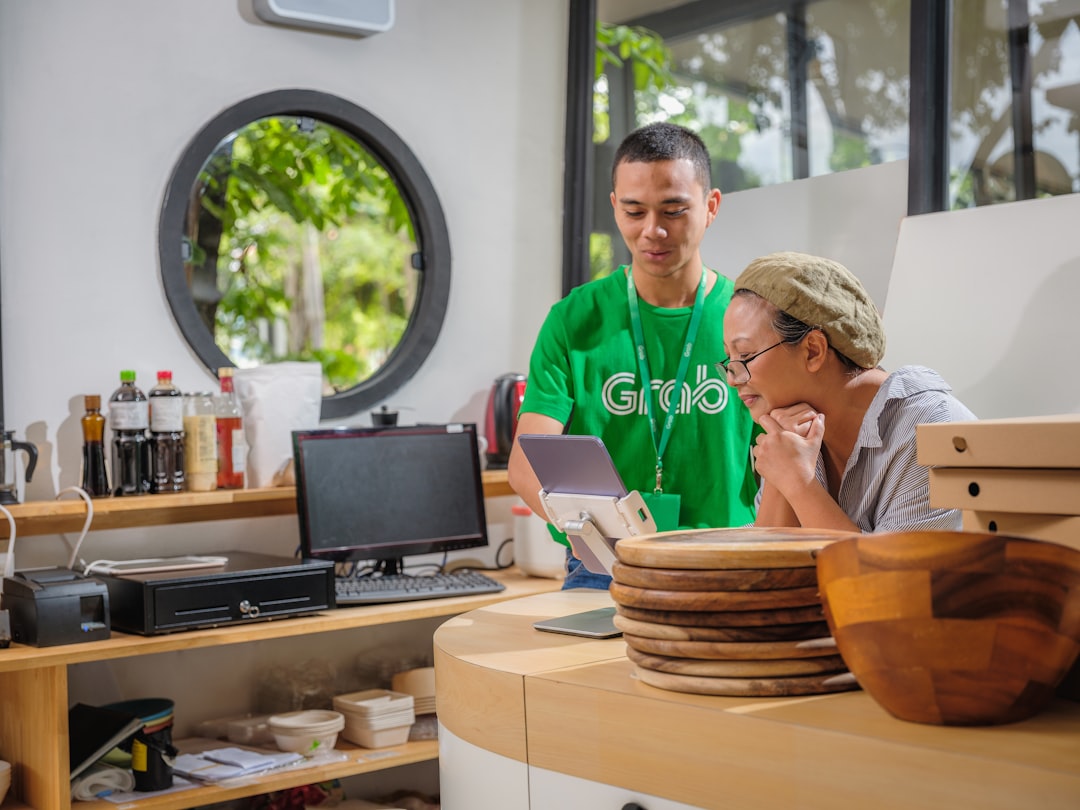
I leave the fingerprints and the slight wobbles because that's how you know it was made by a person, not a machine. Perfect uniformity is the opposite of what I'm trying to offer.